
Seasonal Tax Tips: Preparing for the End of the Financial Year


As the end of the financial year approaches, it's essential to get your tax affairs in order. This period can be stressful, but with the right strategies, you can ensure a smooth process and maximize your returns. Whether you're an individual taxpayer or a business owner, these seasonal tax tips can help you prepare effectively.
Review Your Financial Records
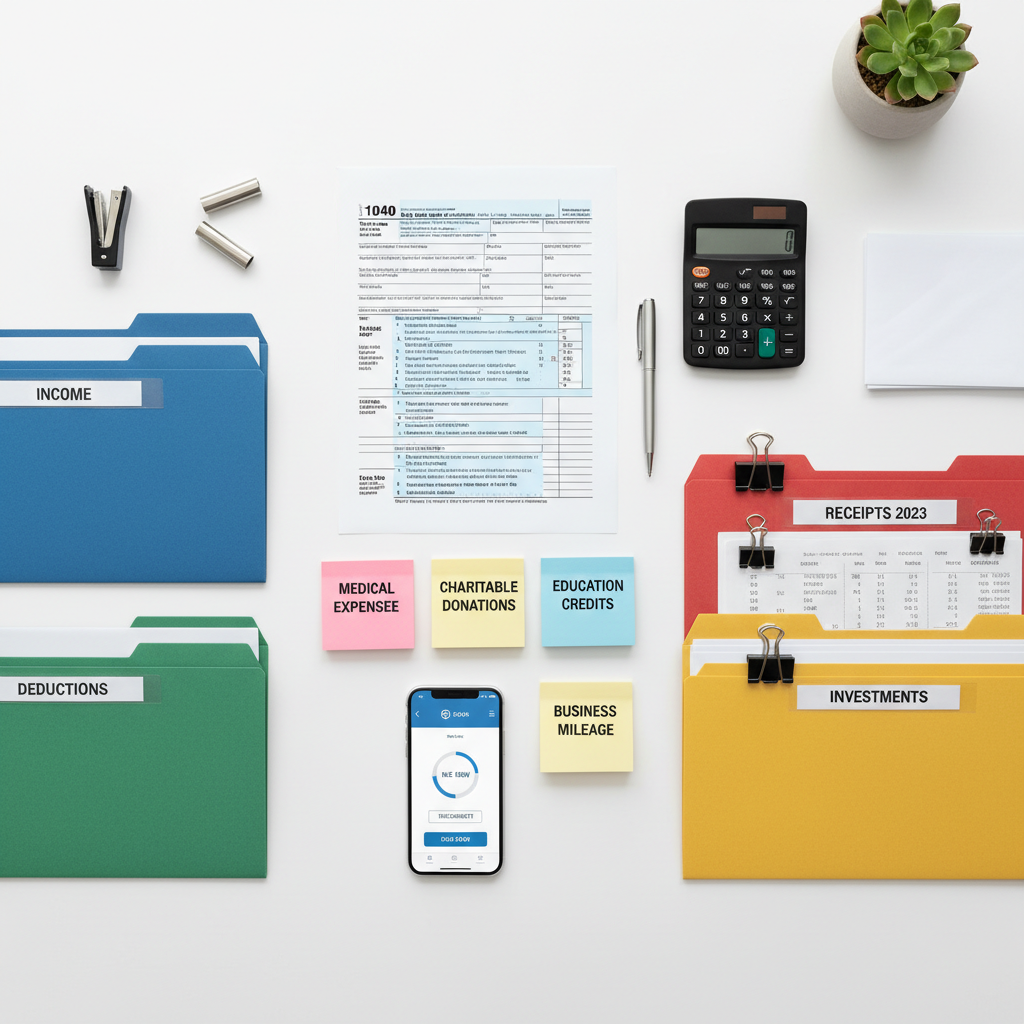
One of the first steps in preparing for the end of the financial year is to review your financial records thoroughly. Ensure that all receipts, invoices, and statements are accounted for and organized. This not only helps in accurate tax filing but also in identifying potential deductions.
Consider using financial software or apps to streamline this process. These tools can automate much of the record-keeping and reduce the chances of errors. Accuracy is key when it comes to tax preparation, so double-check all entries.
Identify Deductible Expenses
Identifying deductible expenses is crucial for reducing your taxable income. Common deductions include work-related expenses, charitable donations, and home office costs. Make sure to keep detailed records and receipts for all deductible expenses, as this will be necessary if you need to provide evidence to tax authorities.
Plan for Tax Payments
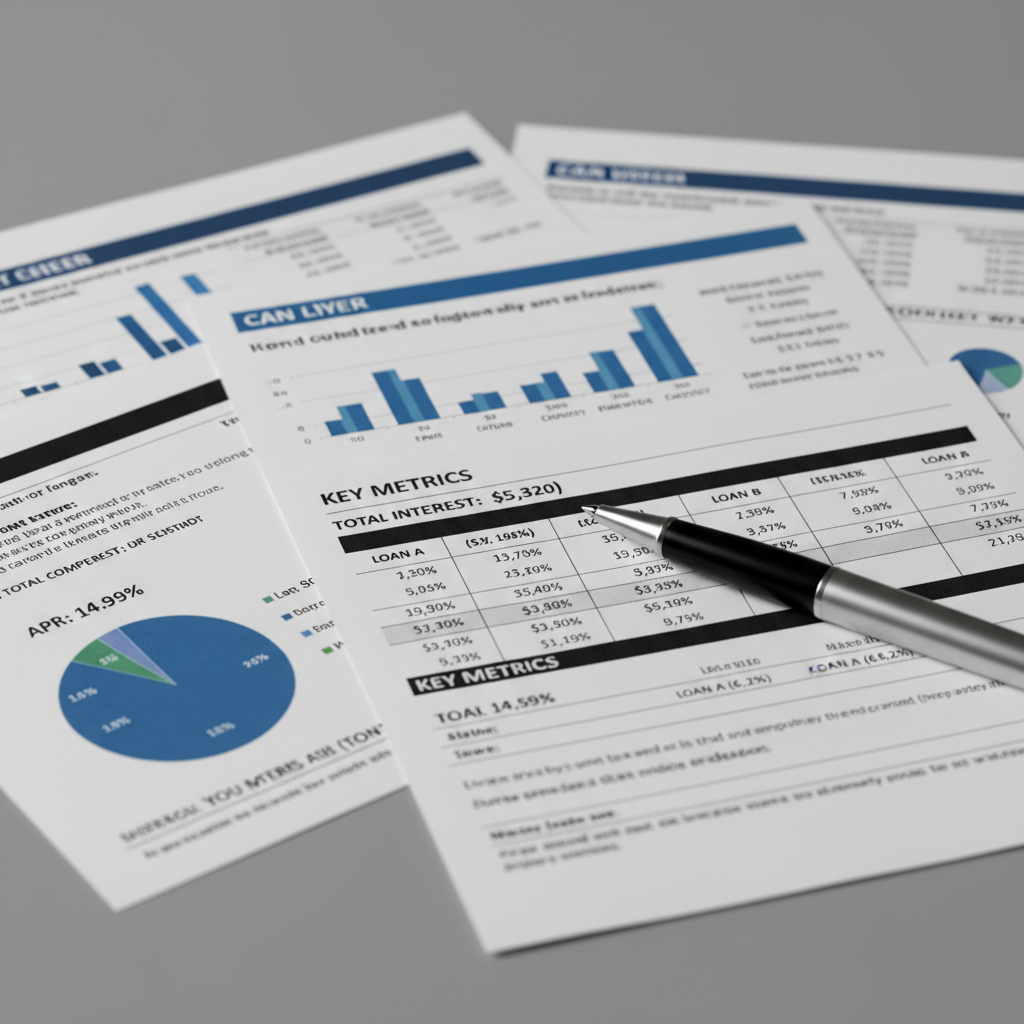
If you expect to owe taxes, planning your payments can prevent last-minute surprises. Consider setting aside funds throughout the year to cover any potential liabilities, and consult with a tax professional to understand your obligations.
It might also be beneficial to explore options like installment agreements if paying the full amount at once is challenging. Proper planning can help you manage cash flow more effectively, ensuring that you meet your tax responsibilities without financial strain.
Take Advantage of Tax Credits
Tax credits can significantly reduce your tax liability, so be sure to explore all available options. Depending on your circumstances, you may qualify for credits related to education, energy efficiency, or family responsibilities. Research these credits early to ensure you have all the necessary documentation ready when filing.

Consult a Tax Professional
While self-preparation is possible, consulting a tax professional can provide valuable insights and peace of mind. They can offer personalized advice, help you navigate complex tax laws, and ensure compliance with all regulations.
A tax professional can also assist in strategic tax planning, helping you understand the implications of different financial decisions and how they may affect your tax situation in the coming year.
Review and Adjust Investments
Finally, consider reviewing your investment portfolio as part of your year-end tax planning. Selling off underperforming assets can offset gains and reduce your taxable income. Additionally, making contributions to retirement accounts can provide tax benefits and help secure your financial future.
By being proactive and organized, you can make the end of the financial year a less stressful and more rewarding experience. Use these seasonal tax tips to prepare effectively and ensure that you make the most of your financial situation.