
Seasonal Tax Planning: Preparing for Tax Season


Understanding Seasonal Tax Planning
As the year progresses, it's essential to start thinking about tax season. Seasonal tax planning is crucial for ensuring a smooth and stress-free filing process. By preparing in advance, you can maximize deductions and minimize your tax liability.

Organizing Financial Documents
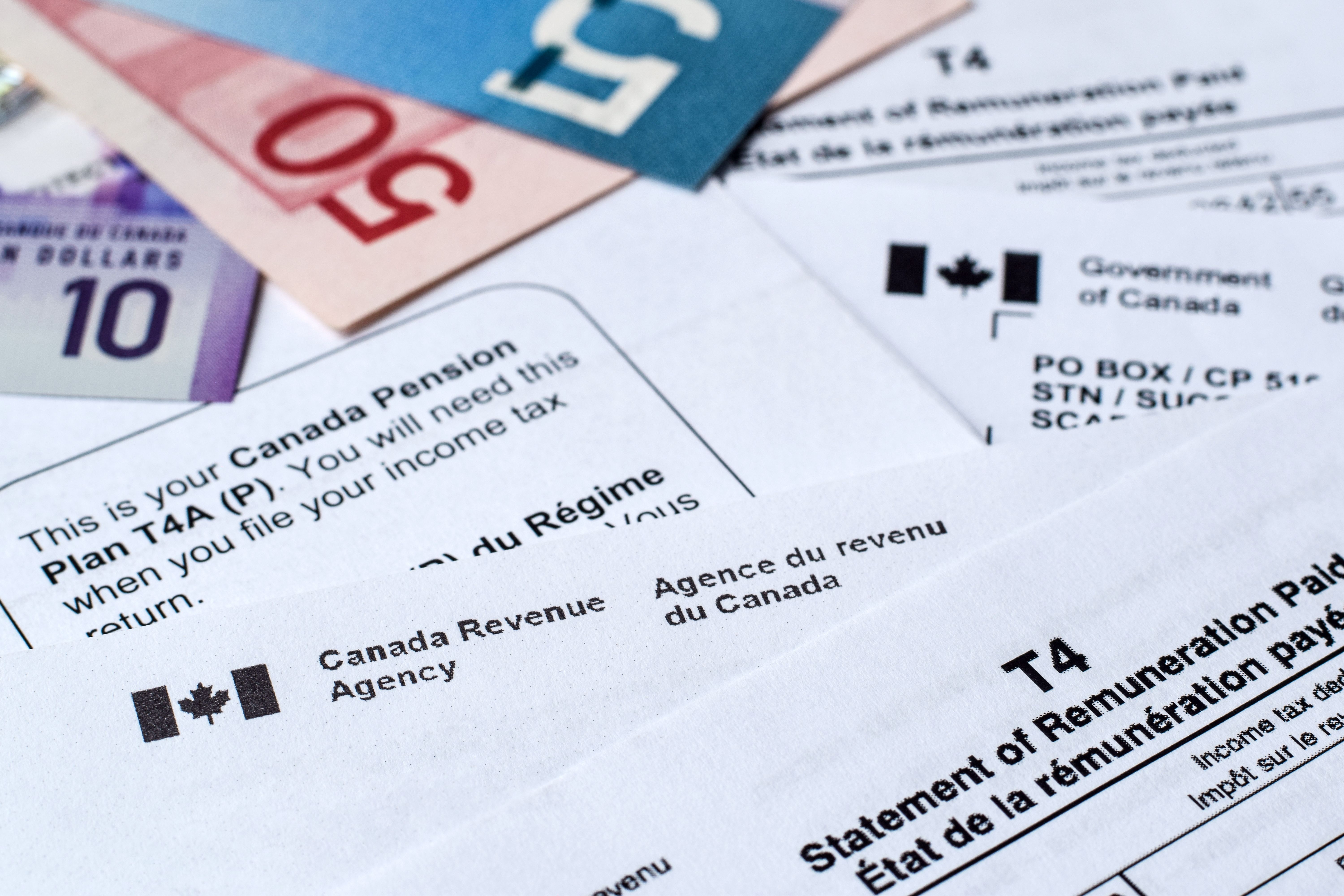
One of the first steps in seasonal tax planning is organizing your financial documents. Gather all necessary paperwork, including income statements, expense receipts, and investment records. Keeping these documents in order can save you time and headaches when it comes time to file.
Consider using digital tools or apps to store and categorize your documents. This can enhance accessibility and prevent important papers from getting lost or damaged.
Reviewing Changes in Tax Laws
Tax laws frequently change from year to year. It's important to stay informed about any new regulations that might affect your situation. You can consult the IRS website or speak with a tax professional to understand these changes.
Maximizing Deductions and Credits
To reduce your tax bill, take advantage of all available deductions and credits. This includes expenses such as mortgage interest, student loans, and charitable contributions. Make sure to keep records of these expenditures throughout the year.
Some credits, like the Child Tax Credit or Education Credit, can significantly lower your tax burden. Ensure you meet eligibility requirements and have the necessary documentation to claim them.
Estimating Tax Liability
Estimating your tax liability ahead of time can help you avoid surprises. Use tax calculators or consult with a tax advisor to get an accurate picture of what you might owe. This allows you to set aside funds and budget accordingly.

Making the Most of Retirement Contributions
Contributing to retirement accounts like a 401(k) or IRA can provide tax benefits. These contributions often reduce your taxable income, offering potential savings. Ensure you understand the contribution limits and deadlines to maximize these advantages.
If possible, increase your contributions before the year ends to take full advantage of these tax benefits.
Planning for Estimated Taxes
If you're self-employed or have other income not subject to withholding, you may need to pay estimated taxes. Planning and paying these taxes quarterly can help you avoid penalties and ensure you're not caught off guard.

Consulting with a Tax Professional
While many people handle their taxes independently, consulting with a tax professional can provide peace of mind. They can offer personalized advice, ensure compliance, and help you find additional savings opportunities.
Consider scheduling a meeting before the end of the year to review your financial situation and plan for the upcoming tax season.
Final Preparations for Tax Season
As tax season approaches, double-check that all your documents are complete and organized. Review any changes in your financial situation, such as a new job or major purchase, that might affect your taxes.
By following these steps, you can reduce stress and ensure a successful tax season. Remember, early preparation is key to maximizing your tax benefits and minimizing potential liabilities.