
Debunking Tax Myths: What Really Matters


Understanding Common Tax Myths
Taxes can be a complicated subject, and numerous myths have arisen over time that can lead to misunderstandings and mistakes. It's crucial to separate fact from fiction to ensure you're complying with tax laws and making the most of available benefits.

Myth 1: Filing Taxes is Voluntary
One of the most persistent myths is that filing taxes is voluntary. In reality, the law requires individuals and businesses to file returns if they meet certain income thresholds. The term "voluntary" refers to the ability to file without being prompted by the government, not the choice to opt out.
Understanding Your Obligations
It's important to be aware of the specific requirements for your tax situation. For most people, filing a federal tax return is mandatory if their income exceeds a certain amount, which varies depending on factors like age and filing status.
Myth 2: Students Don’t Have to File Taxes
Many students believe they don't need to file taxes, but this isn't always true. Students who earn income, whether from a part-time job or a scholarship, may need to file a tax return.

When Students Need to File
Students should file taxes if they have earned income above the IRS threshold or if taxes were withheld from their paychecks and they want to receive a refund. Additionally, filing taxes can help students qualify for education credits like the American Opportunity Credit.
Myth 3: All Tax Software Is the Same
There's a misconception that all tax software provides the same results, leading many to choose the cheapest option available. However, different software can vary in terms of features, accuracy, and customer support.
Choosing the Right Software
When selecting tax software, consider your specific needs. Some programs offer more robust support for complex tax situations, such as self-employment or investments. It's wise to compare features and read reviews before making a decision.
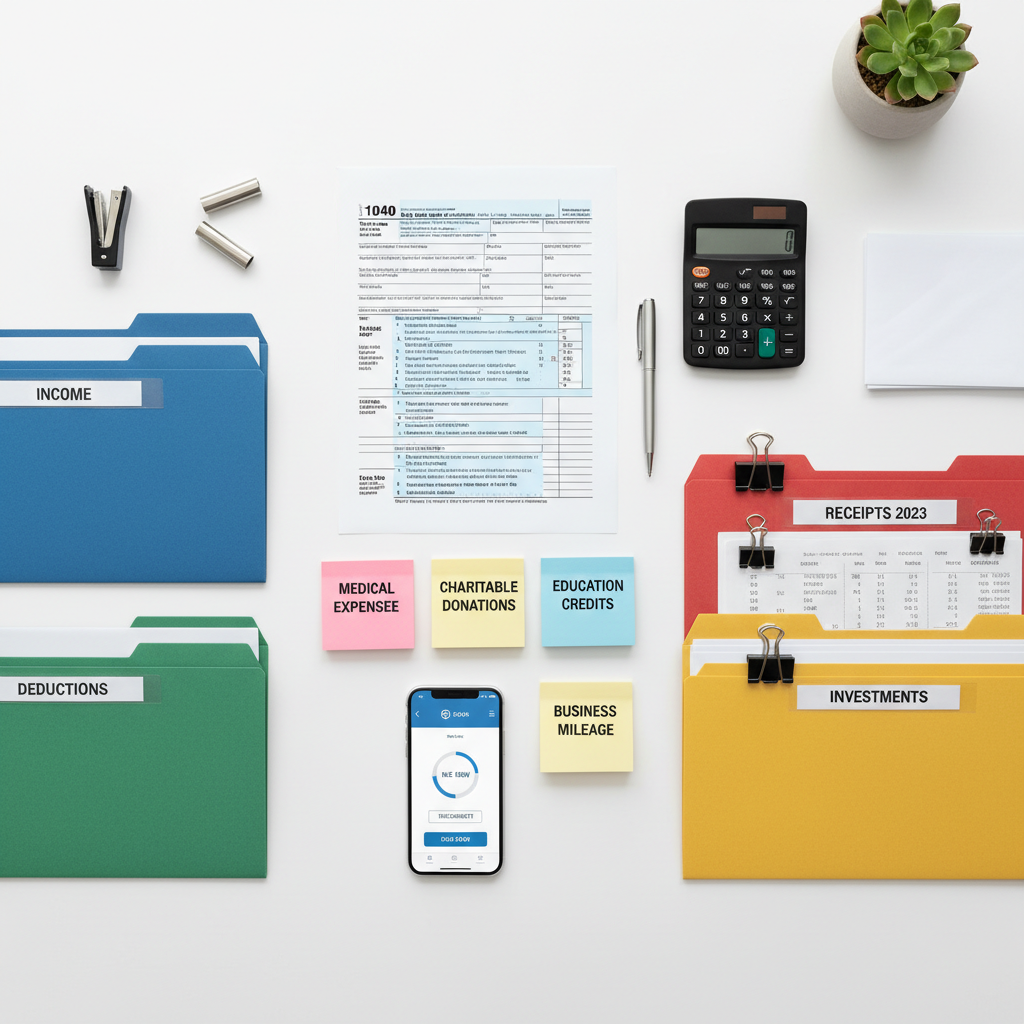
Myth 4: I Can Deduct Anything Related to My Job
While it's true that many work-related expenses can be deducted, not everything qualifies. The IRS has specific guidelines about what counts as a deductible business expense.
Clarifying Deductible Expenses
To be deductible, an expense must be both ordinary and necessary. This means it should be a common cost in your field and helpful for your business. Always keep detailed records and consult IRS guidelines or a tax professional if you're unsure.
Myth 5: I Don’t Need to Report Income If I Didn’t Receive a 1099
Some believe they don't need to report income if they didn't receive a 1099 form. However, all income, regardless of whether a form is received, must be reported.
Reporting All Income
It's crucial to report all income to avoid penalties. This includes freelance work, rental income, and any other earnings. Keeping detailed records throughout the year can help ensure accuracy when filing.