
Comprehensive Guide to Understanding Tax Deductions for Freelancers


Understanding Tax Deductions for Freelancers
Freelancers often face unique challenges when it comes to managing their finances, particularly in understanding tax deductions. This comprehensive guide aims to demystify tax deductions, helping freelancers maximize their savings and reduce taxable income.

What Are Tax Deductions?
Tax deductions are expenses that you can subtract from your total income to reduce the amount of income that is subject to taxation. For freelancers, these deductions can significantly impact the amount of tax owed, making it crucial to understand what expenses qualify.
Common Tax Deductions for Freelancers
Freelancers are eligible for a variety of tax deductions. Here are some of the most common ones:
- Home Office Deduction: If you use part of your home exclusively for business, you can deduct related expenses.
- Equipment and Supplies: Items such as computers, software, and office supplies can be deducted.
- Travel Expenses: Costs related to business travel, including transportation and lodging, are deductible.
- Professional Services: Fees paid to accountants, lawyers, or consultants can be claimed.

Record Keeping Tips
Keeping accurate records is crucial for claiming deductions. Consider the following tips to stay organized:
- Save Receipts: Keep all receipts related to business expenses.
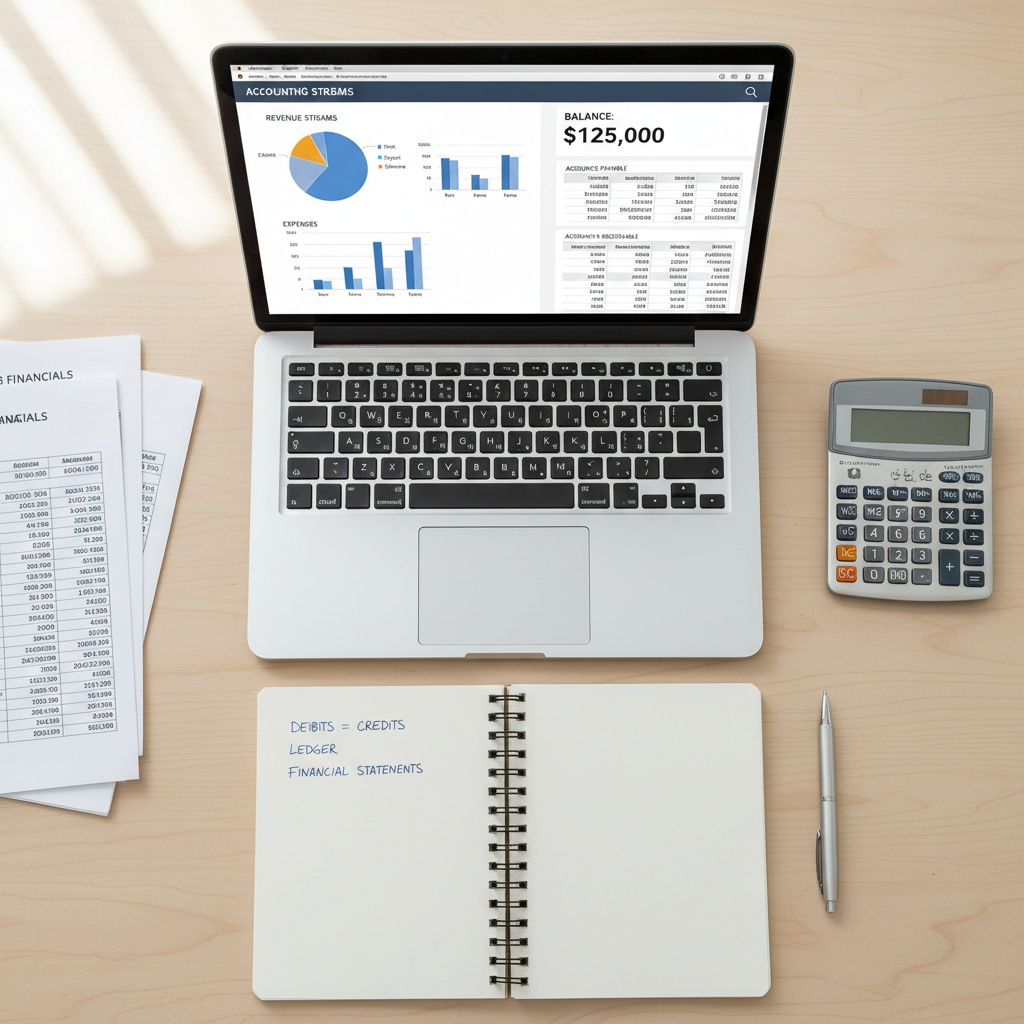
- Use Accounting Software: Tools like QuickBooks or FreshBooks can help track expenses and income.
- Maintain a Logbook: Record mileage and travel-related expenses meticulously.
Understanding Depreciation
Depreciation allows you to deduct the cost of expensive business assets over time. This can include items like computers and office furniture. Understanding how to calculate and claim depreciation can be complex, so consulting with a tax professional might be beneficial.
Estimated Taxes
As a freelancer, you are typically responsible for paying estimated taxes quarterly. These payments include income tax and self-employment tax. Failing to pay estimated taxes can result in penalties, so it's essential to calculate and pay these on time.
Consulting a Tax Professional
While many freelancers handle their taxes independently, consulting a tax professional can provide valuable insights and ensure compliance with the latest tax laws. A professional can help identify deductions you might overlook and assist with more complex tax situations.
By understanding and effectively managing tax deductions, freelancers can significantly reduce their tax burden and keep more of their hard-earned money. Staying informed and organized is key to making the most of these opportunities.