
Comprehensive Guide to Navigating Tax Season Successfully


Understanding Tax Season
Tax season can often feel overwhelming, but with the right approach, it can be managed smoothly. It's vital to understand the deadlines and requirements to avoid any last-minute stress. Typically, tax season runs from January to April, with the filing deadline usually falling on April 15th.
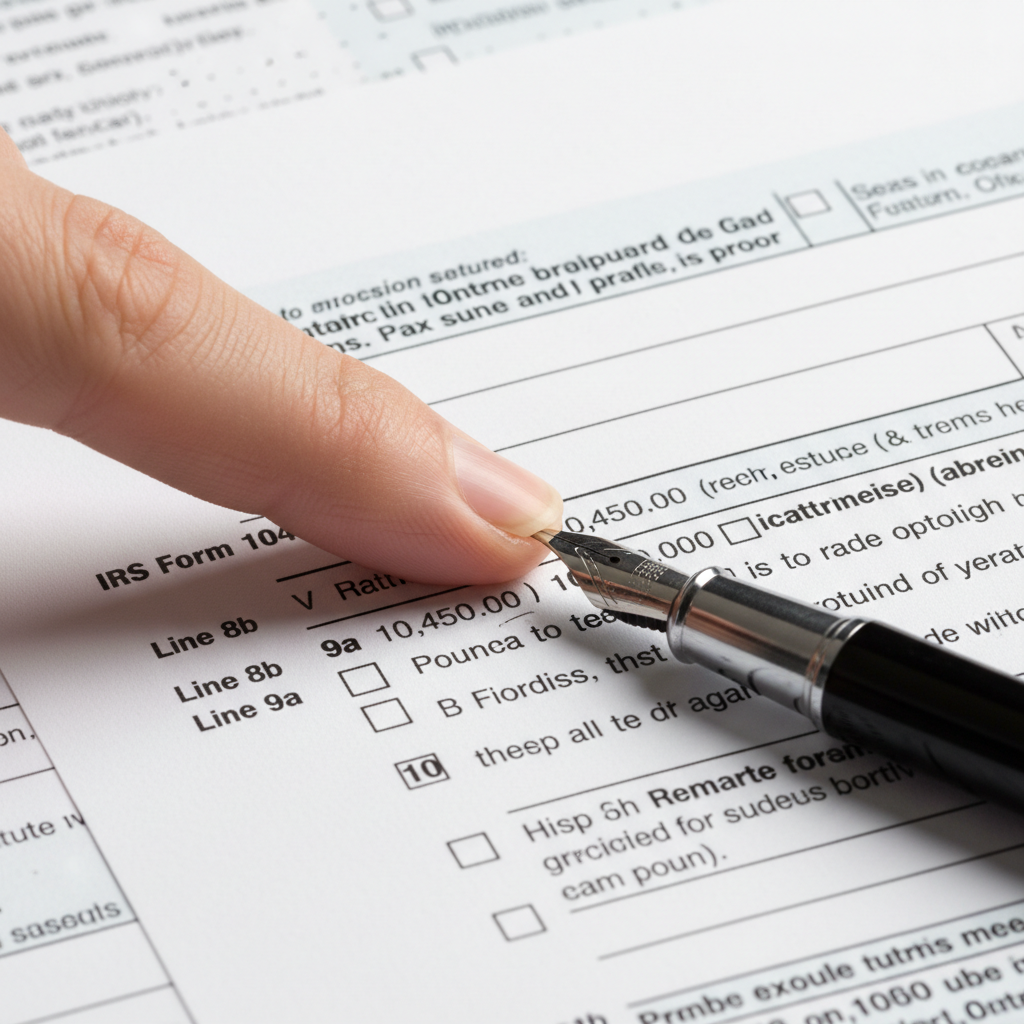
Gathering Necessary Documents
The first step in preparing for tax season is to gather all necessary documents. These include W-2 forms from employers, 1099 forms for additional income, and any relevant receipts or records for deductions. Keeping these documents organized will make the process much easier.
Consider creating a checklist to ensure you have everything you need. This might include:
- Income statements
- Interest and dividend statements
- Mortgage interest statements
- Receipts for charitable donations
Understanding Deductions and Credits
One of the key aspects of tax filing is understanding the deductions and credits available to you. Deductions reduce your taxable income, while credits directly reduce the amount of tax you owe. Common deductions include mortgage interest and student loan interest.

Credits, such as the Child Tax Credit, can significantly impact your tax return. Make sure to research and utilize any credits you may qualify for, as they can lead to substantial savings.
Choosing Between DIY and Professional Help
Deciding whether to file taxes yourself or hire a professional is an important consideration. If your financial situation is straightforward, using tax software might be sufficient. These programs guide you through the process and can be cost-effective.
However, if you have complex financial circumstances, such as owning a business or having multiple income streams, seeking the help of a tax professional might be beneficial. They can provide personalized advice and ensure that you're maximizing your deductions and credits.

Filing Your Taxes
Once you have all your documents and have decided on your filing method, it's time to file your taxes. Ensure that all information is accurate to avoid any issues with the IRS. Double-check all figures and confirm that your Social Security number and other personal information are correct.
Filing electronically is often faster and more efficient. Many tax software programs offer e-filing options, which can result in quicker refunds and immediate confirmation of receipt by the IRS.
Staying Informed About Changes
Tax laws can change frequently, so staying informed is crucial. Be sure to read up on any new tax legislation that might affect your filing. The IRS website is a reliable source for the latest updates and changes.

By keeping up-to-date, you can ensure that you’re complying with current laws and making the most of any new opportunities for tax savings.
Conclusion
Navigating tax season doesn't have to be daunting. By organizing your documents, understanding deductions and credits, and choosing the right filing method, you can manage this annual task with confidence. Remember, preparation and knowledge are key to a successful tax season.