
Common Tax Filing Mistakes and How to Avoid Them


Understanding Common Tax Filing Mistakes
Filing taxes can be a daunting task, and even a small mistake can lead to delays or penalties. To ensure a smooth process, it's crucial to be aware of common tax filing mistakes and how to avoid them. By taking careful steps, you can file your taxes accurately and efficiently.
Incorrect Personal Information
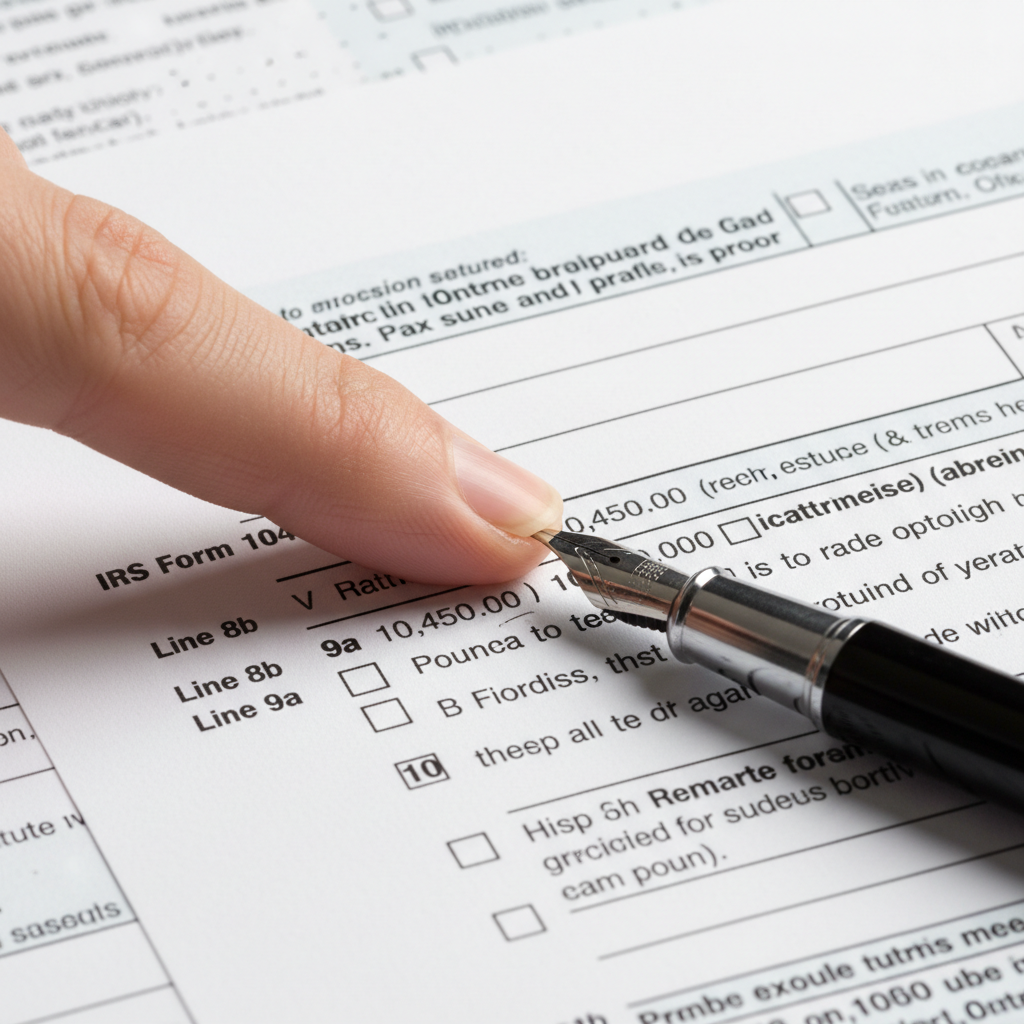
One of the simplest yet most common mistakes is entering incorrect personal information. This includes your Social Security Number, name, or address. Double-check these details to avoid any mismatches that could result in processing delays.
Tip: Ensure that your information matches exactly what is on file with the Social Security Administration and other relevant agencies.
Choosing the Wrong Filing Status
Your filing status can significantly impact your tax return, including the tax rate and eligibility for certain deductions. Selecting the wrong status, such as "Single" instead of "Head of Household," can lead to errors and missed opportunities for savings.
Take time to review your life circumstances and choose the correct filing status that reflects your current situation.
Overlooking Deductions and Credits
Deductions and credits are vital for reducing your tax liability, but they are often overlooked. Tax credits like the Earned Income Tax Credit (EITC) or deductions for educational expenses can provide significant savings.
Action Step: Familiarize yourself with available deductions and credits. Consider consulting with a tax professional if you're uncertain about what applies to you.
Math Errors
Simple math mistakes are surprisingly common and can lead to incorrect tax amounts. Whether you're adding up income or calculating deductions, double-check your math or use tax software to minimize errors.
Missing Deadlines
Filing your taxes late can result in penalties and interest on any owed amounts. The deadline for most taxpayers is April 15, but it can vary, so be sure to confirm the date each year.
Pro Tip: Set reminders and gather your documents early to avoid the last-minute rush.
Not Keeping Proper Records
Maintaining accurate and organized records is essential for a hassle-free tax filing experience. Keep receipts, W-2s, 1099s, and other relevant documents in a safe place and ensure they are easily accessible.
Proper record-keeping can also protect you in case of an audit, providing proof of income and deductions claimed.
By being mindful of these common mistakes and taking proactive steps, you can ensure a smoother tax filing process. Whether you're filing on your own or with a professional, attention to detail will pay off in the long run.